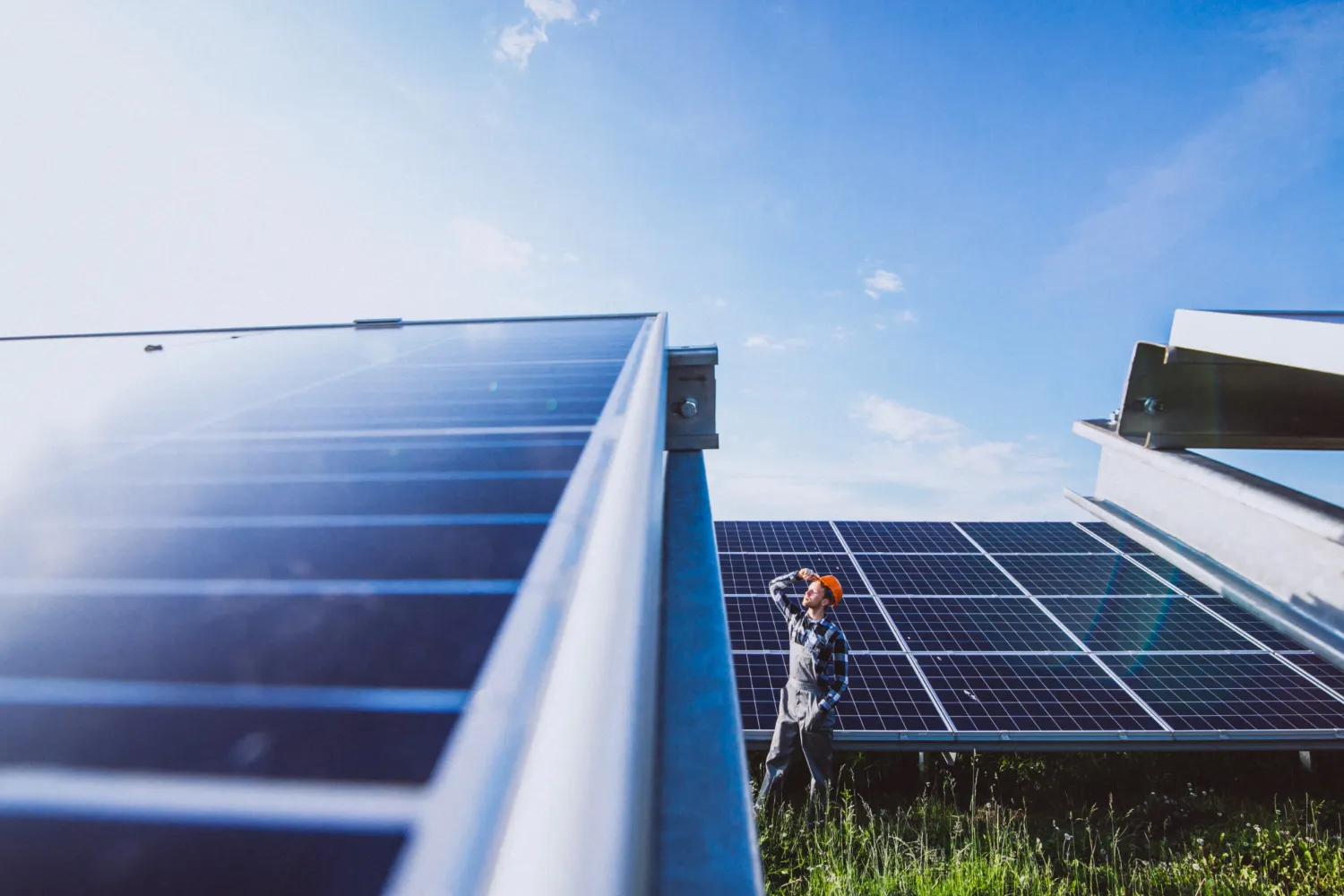
Solar energy is a renewable energy source that comes from the sun. It is harnessed using various technologies such as solar panels to convert sunlight into electricity or heat. Solar energy is a clean and sustainable alternative to fossil fuels and has the potential to reduce greenhouse gas emissions and combat climate change significantly.

What Type of Energy is Solar Energy
Solar energy is a type of renewable energy harnessed from the sun’s radiation. Unlike fossil fuels, which are finite and release harmful pollutants, solar energy is abundant, clean, and sustainable. It can be converted into various forms of usable energy, primarily electricity and heat.
There are two main types of solar energy technologies:
Photovoltaic (PV) Solar Energy
This technology converts sunlight directly into electricity using photovoltaic cells. These cells are often made from semiconductor materials, such as silicon, which absorb photons from sunlight and release electrons, creating an electric current. PV systems can be installed on rooftops, integrated into building materials, or deployed in large solar farms.

Solar Thermal Energy
This approach captures and uses the heat from the sun. Solar thermal systems use collectors, often installed on rooftops, to absorb and transfer solar heat to a fluid. This heated fluid can then be used directly for space heating, hot water, or even for driving turbines to generate electricity in large-scale solar power plants.
What Equipment is Needed for Solar Energy
Harnessing the power of the sun requires specific equipment to efficiently convert sunlight into electricity. The primary piece of equipment is the solar panel, which is the heart of any solar energy system. These panels contain photovoltaic (PV) cells that capture sunlight and transform it into direct current (DC) electricity. To use this electricity in most applications, an inverter is needed to convert DC electricity into alternating current (AC), the standard electrical current used in homes and businesses.
Batteries and Charge Controllers
For systems designed to store energy for later use, batteries are an essential component. They allow for the storage of excess electricity produced during peak sunlight hours, which can then be used at night or during cloudy days. A charge controller is also crucial in a solar energy setup, especially in systems with batteries, as it regulates the flow of electricity to and from the batteries, preventing overcharging and prolonging battery life.

Mounting Structures
Lastly, the mounting structure plays a significant role in the solar energy system. Whether it’s a rooftop or ground-mounted system, the structure ensures that solar panels are securely positioned and oriented to maximize sunlight exposure. Different setups may require additional or specialized equipment, but these components form the foundation of most solar energy systems, enabling the efficient and effective capture and use of solar power.
What is The Advantage of Solar Energy
The advantages of solar energy extend beyond its environmental impact, offering significant benefits for both individual users and the global community. It stands as a virtually inexhaustible resource, thanks to the steady and reliable output of the sun, providing a consistent source of energy that can be tapped into anywhere in the world. This universality means that solar energy can contribute to energy security and reduce dependence on imported fuels, which is particularly beneficial for remote or isolated regions.
Unlocking Savings and Value
Economically, the adoption of solar energy presents opportunities for savings over time. After the initial setup, the operational costs associated with solar energy systems are relatively low, as they require little maintenance and no fuel expenses. This can lead to considerable reductions in electricity bills, making solar energy an attractive investment for homeowners and businesses alike. Additionally, solar installations can increase property values, offering further financial incentives for their adoption.
Job Creation and Expand Opportunities
Solar energy also plays a crucial role in job creation, with the industry consistently expanding as demand for clean, renewable energy sources grows. The development, installation, and maintenance of solar systems provide employment opportunities in a wide range of roles, contributing to economic growth and sustainability.
Flexible and Scalable
Furthermore, solar energy systems can be deployed rapidly and scaled to suit a variety of needs, from small residential setups to large-scale utility projects. This flexibility, combined with the technological advancements that continue to improve efficiency and lower costs, underscores solar energy’s pivotal role in the shift towards a more sustainable and resilient energy future.
What are Solar Energy Disadvantages
While solar energy is celebrated for its sustainability and eco-friendliness, it’s not without its downsides. A significant concern is its dependency on weather conditions, which can fluctuate and are not always predictable. This variability can lead to inconsistencies in power generation, with efficiency dropping during overcast days or at night, necessitating alternative power sources or storage solutions to ensure a constant electricity supply.
Initial Investment
The upfront costs associated with solar energy systems are another hurdle. Installation of solar panels and the required infrastructure can be expensive, posing a financial challenge for individuals and smaller entities. Though costs have been decreasing, the initial investment still represents a significant barrier to entry for many.
Environmental Challenges
Environmental concerns also emerge with the production and disposal of solar panels. The manufacturing process involves the use of hazardous materials, which, if not handled correctly, can have detrimental effects on the environment. At the end of their life cycle, the disposal of solar panels poses a challenge, with the need for specialized recycling processes to mitigate environmental harm.
The Future of Solar Energy
Solar energy is rapidly transforming from a niche technology to a mainstream power source. Driven by technological advancements, falling costs, and increasing environmental concerns, the future of solar energy looks exceptionally bright.
Technological Innovation
The solar industry is witnessing rapid advancements. Higher efficiency panels, improved storage solutions, and innovative solar technologies like solar windows and building-integrated photovoltaics (BIPV) are on the horizon.
Cost Reduction
The declining cost of solar panels and installation has made solar energy accessible to a wider audience. Continued cost reductions are expected to drive even greater adoption.
Energy Storage Advancements
The development of efficient and affordable energy storage solutions, such as advanced batteries, will enable solar power to become a reliable baseload power source.
Grid Integration
Smart grid technologies and advancements in grid management will facilitate the seamless integration of solar energy into the power grid, ensuring a stable and efficient power supply.
Solar Power as a Global Energy Source
Developing countries are increasingly embracing solar energy to meet their growing energy demands and leapfrog traditional fossil fuel-based infrastructure.